Sheet metal materials: how they differ
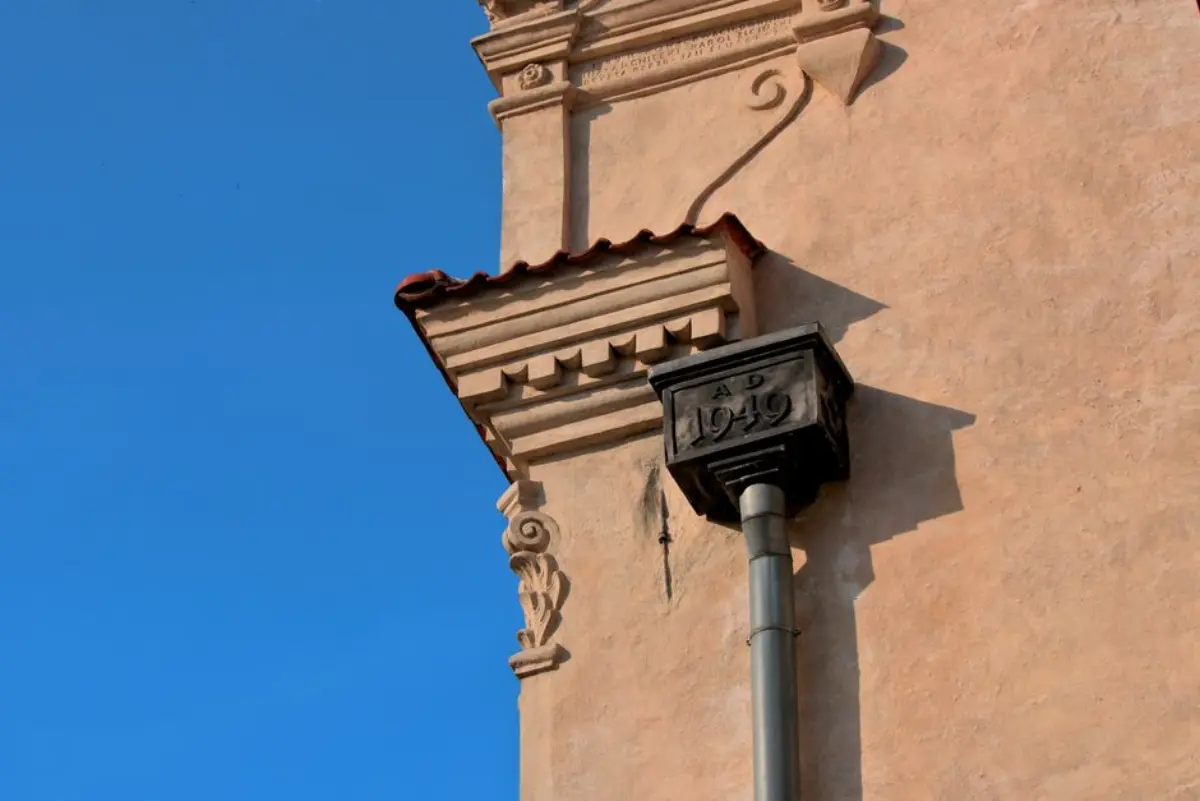
The material for gutters and flashing is usually chosen on two things: what it costs and how it looks. The third criterion gets left out, and it is the one that decides most: what that material is allowed to meet on the same building.
Titanium zinc
Usually the one that does the job on an ordinary family house. It is zinc alloyed with a small share of other elements. In time it forms its own matt grey layer that keeps protecting it, so it needs no paint. It does not get on with copper or with unprotected steel. It should not rest directly on fresh cement, lime or gypsum mortar, or on timber with a low pH, because the substrate can attack the metal too.
Copper
Of the metals commonly used in this trade it lasts the longest. In time it takes on a blue-green patina, which for some people is the reason to want copper and for others the reason not to. At the time of fitting you can choose natural, pre-patinated or tinned copper. Copper is the strictest about its surroundings: it must not touch aluminium, titanium zinc, galvanised steel or steel, and none of those may sit below it either. Rainwater from copper surfaces is not suitable for watering a garden.
Aluminium
Light, it does not rust, and it handles well in long sections. On price, depending on the source, it sits beside titanium zinc or above it. Its weak point is the surface: while it stays intact the metal lasts a long time, but a scratched or punctured spot is the way in for pitting corrosion. It does not get on with copper, nor with unprotected steel.
Plastic-coated steel
Steel sheet with an organic coating. The cheapest of the options here and the only one where the colour can be matched to existing windows or facade. Its life is set by the life of the coating, not by the steel underneath. At a cut edge and wherever the sheet is drilled the coating ends, and that is where corrosion begins. Where a ladder leans, or where ice falls from a surface above, it suits less well than solid metal.
How to choose
Start from what is already on the building. If it has copper parts, aluminium and titanium zinc do not belong with them. If the gutters are galvanised, copper does not belong on the same building. Only once that is settled does it make sense to compare price and looks. Getting the neighbouring metals right in advance is cheaper than redoing a part that started rusting through at a joint.
A summary table of all four materials is on the home page, and the rules on metals in contact are covered in Metals that must not meet on a building.