Sheet metal work: gutters, downpipes and flashing
Sheet metal work is the part of a building that carries water away from the masonry. Gutters, downpipes, drip edges, external window sills, flashing around parapets, chimneys and valleys. Write what you need and we pass the enquiry to a sheet metal firm working in your area.
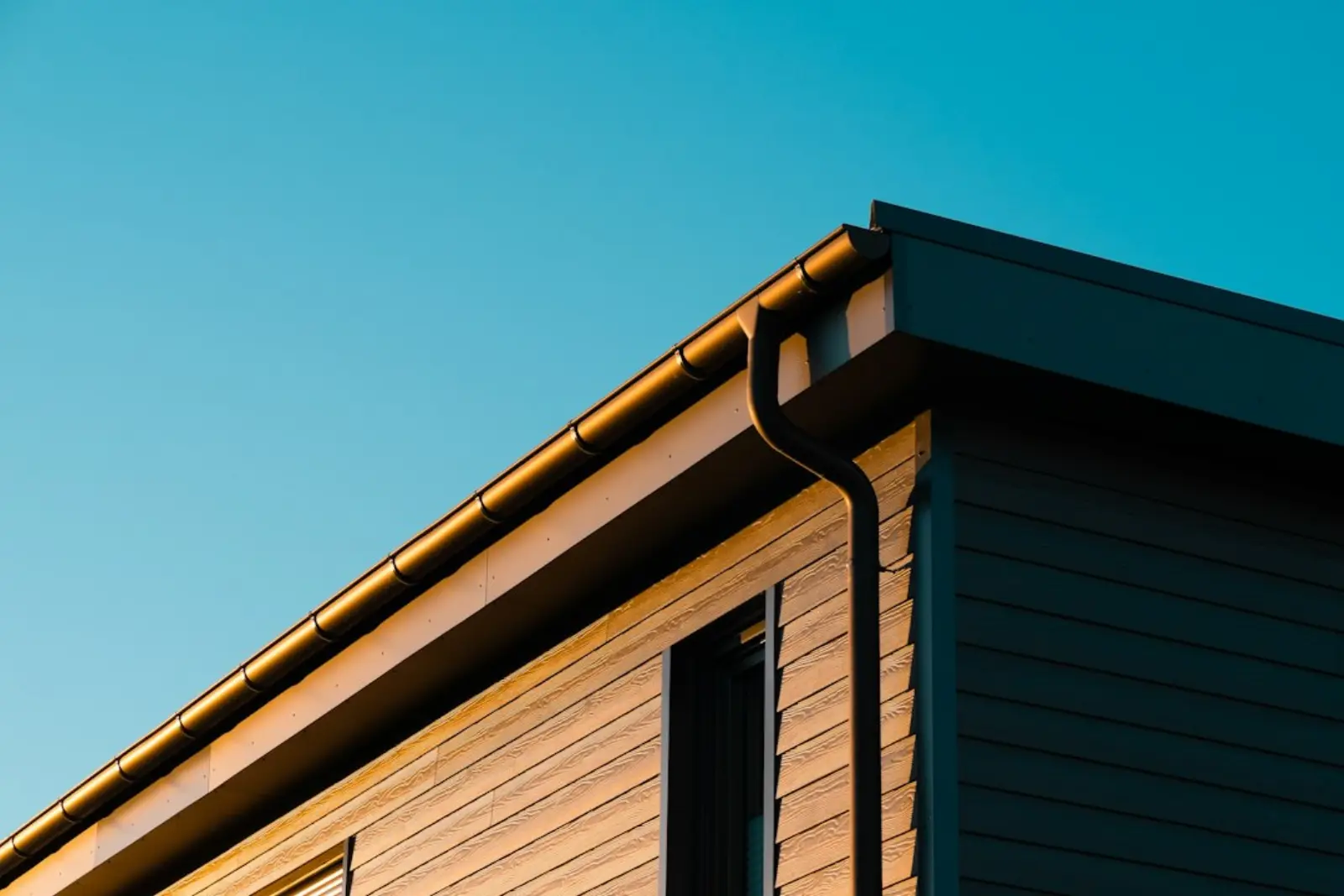
- Measured on siteNo quote written from a desk off a photo taken from the street.
- Material and developed width in writingThe quote should say what it is made of and in what developed width, not just a price.
- Fitted by a sheet metal workerWe pass the enquiry to a firm that does this trade, not to a general crew.
What sheet metal parts are made of, and what must not meet
Most sites hide this at the bottom. We put it up front, because the choice of material decides whether new gutters last or start rusting through at the spot where they touch another metal.
| Material | Lifespan | Price level | What it must not go with | When it suits |
|---|---|---|---|---|
| Titanium zinc | Long. It forms its own matt grey layer that keeps protecting it. | Mid range among the materials listed here. | Must not touch copper or unprotected steel. It must not sit below copper surfaces either, because water running off copper corrodes it without any direct contact. It should not rest directly on cement, lime or gypsum mortar, or on timber with a low pH. | Gutters and flashing on an ordinary family house, where nothing should shine and where there is no copper anywhere on it. |
| Copper | The longest of the metals commonly used in sheet metal work. In time it takes on a blue-green patina. | The highest of the materials listed here. | Must not touch aluminium, titanium zinc, galvanised steel or steel. None of those metals may sit below it either, because water running off copper carries copper ions and attacks them across the whole surface. | Historic and representative buildings. It only makes sense where no other metal on the building would be damaged by it. Rainwater from copper surfaces is not suitable for watering a garden. |
| Aluminium | Long, as long as the surface stays intact. A scratched or punctured surface is the weak point. | Mid range as well. Depending on the system it can come out above titanium zinc; sources disagree on the order. | Must not touch copper or unprotected steel. It should not rest directly on cement, lime or gypsum mortar, or on timber with a low pH. | Where weight matters, because it is light, and where long sections have to be handled. Not suitable for a building with copper elements. |
| Plastic-coated steel | Set by the life of the coating, not of the steel core. As long as the coating holds, so does the part. | The lowest of the materials listed here. | The standard does not list it as a metal of its own in the contact table. What matters is the metal under the coating, usually galvanised steel, and whether the coating is intact. On sharp edges and wherever the sheet is drilled, the coating ends. | When the gutter should match the colour of the windows or the facade. Use it with care where a ladder leans or ice falls. |
| Plastic | Shorter than any of the metals. The material grows brittle from sun and frost and the colour fades. | The lowest purchase price of all the options here. | The metal contact rules do not apply to plastic and galvanic corrosion does not occur. The care is needed elsewhere: plastic expands with heat far more than sheet metal, so the joints have to allow movement, and it tolerates neither ice loads nor a leaning ladder. | A low single-storey house where the gutter is easy to reach and the purchase price decides. Not for a taller building or anywhere ice falls. |
The table is based on the Czech standard CSN 73 3610 for the design of sheet metal structures (2008). For each pair of metals the standard distinguishes three states: the materials may be in contact, contact is better avoided, and contact must be ruled out because electrolytic corrosion starts as soon as water is present. Two notes under the table are the ones almost nobody knows, and they decide the job: water running off copper structures carries copper ions and causes surface corrosion of aluminium, zinc, titanium zinc and galvanised steel, so those metals must not be placed below copper. And with unprotected steel, water must be kept from running onto any kind of sheet metal. The actual build-up on your house is something a sheet metal worker judges on site.
What you can ask for
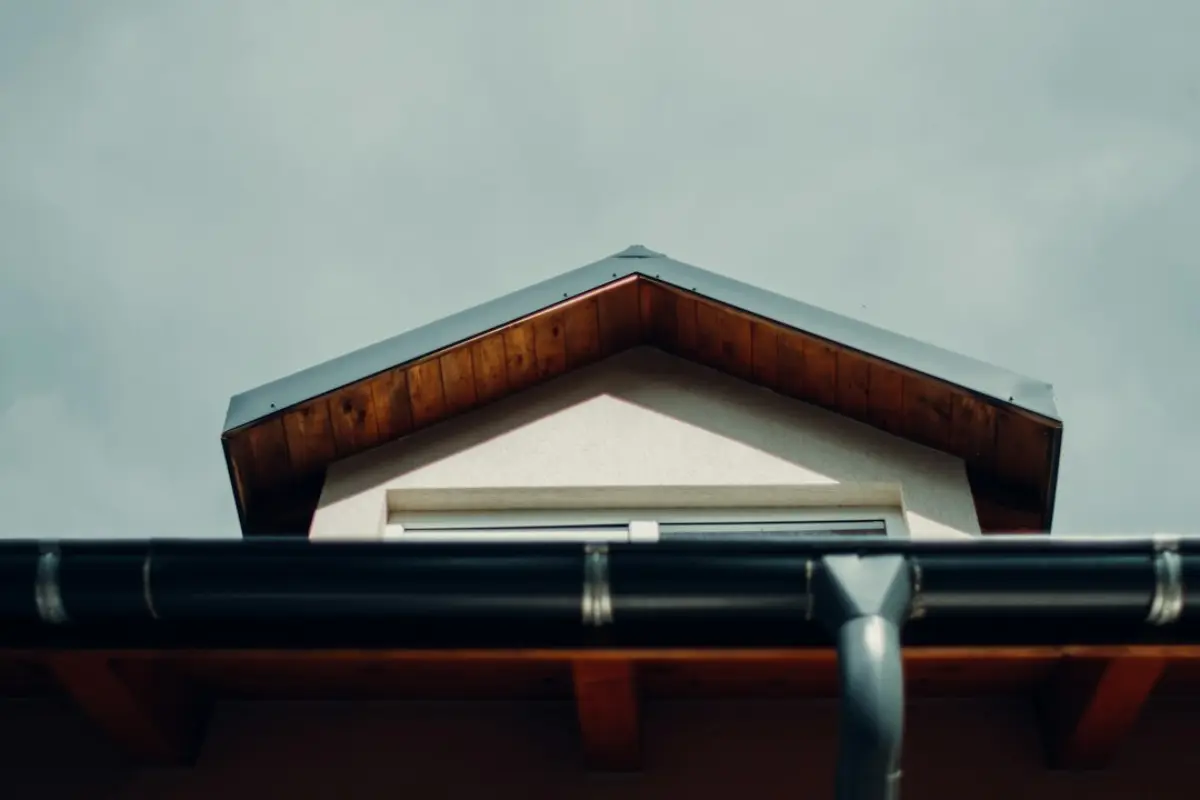
Gutters and downpipes
A new rainwater system or a replacement of an old one. Gutter, brackets, outlet, downpipe, bend, shoe.
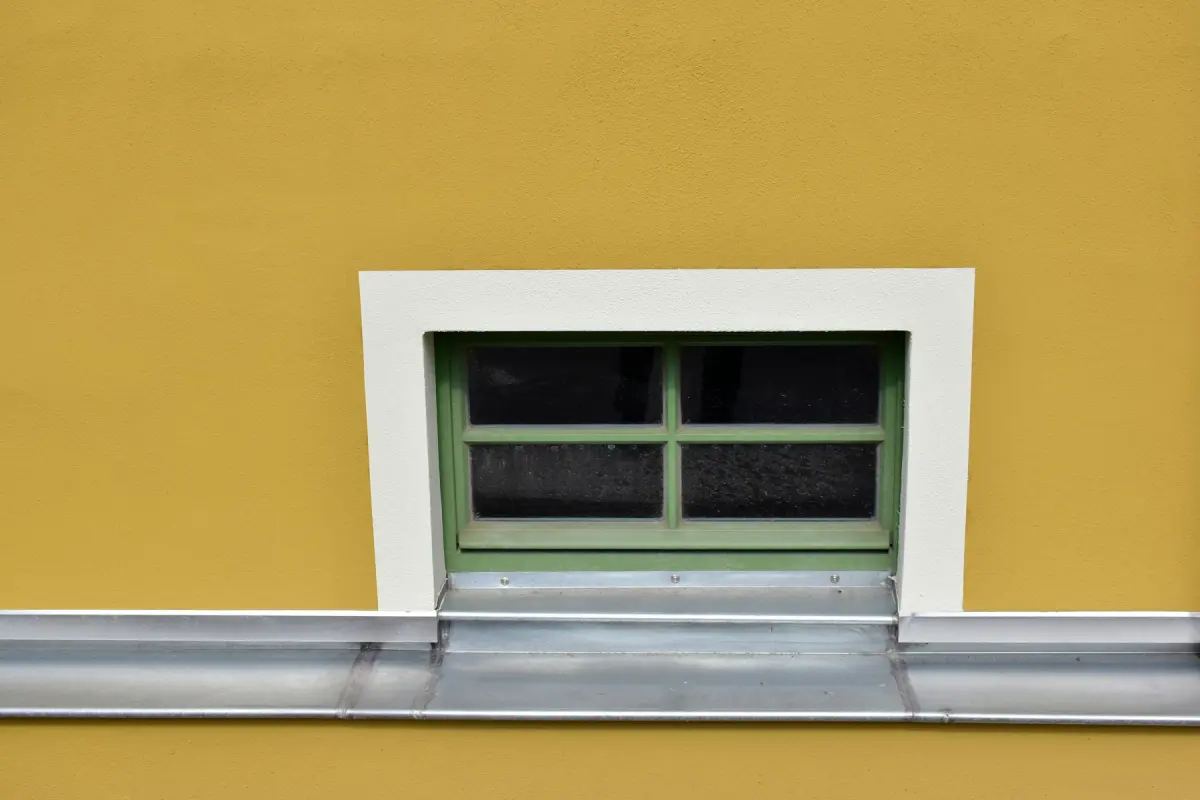
Window sills
Pressed metal sills, their junction with the reveal and with an insulated facade, replacing sills that are too short.
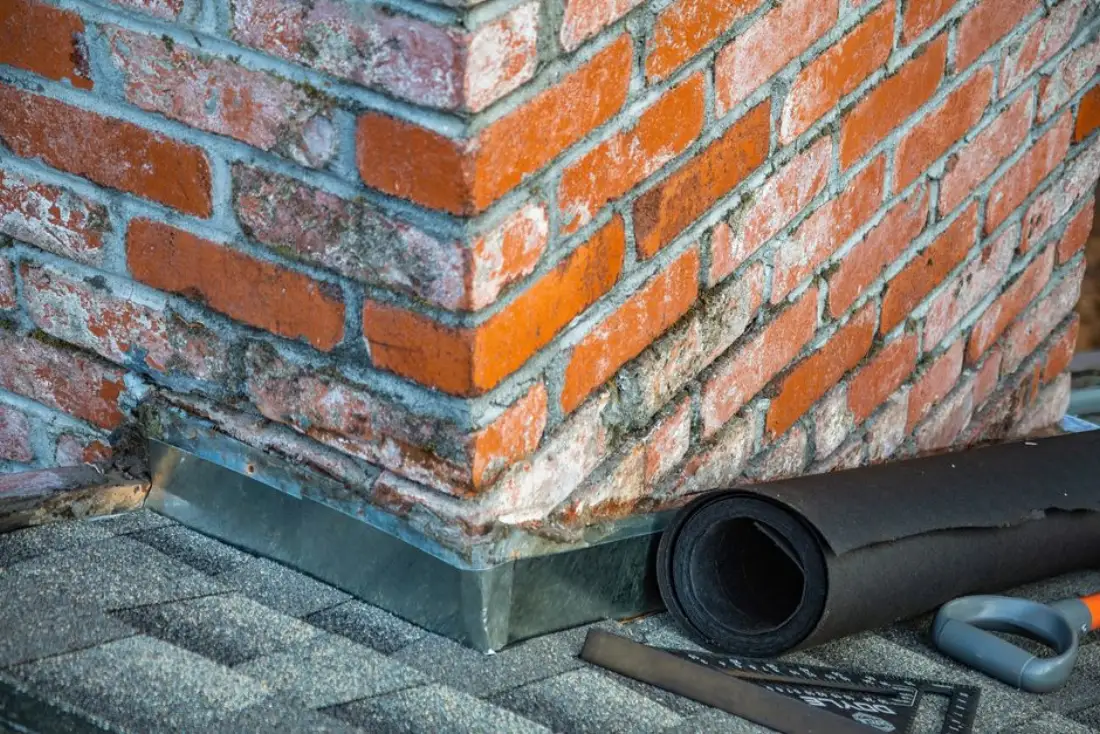
Flashing
Parapets, chimneys, valleys, drip edges, penetrations and trims around skylights.
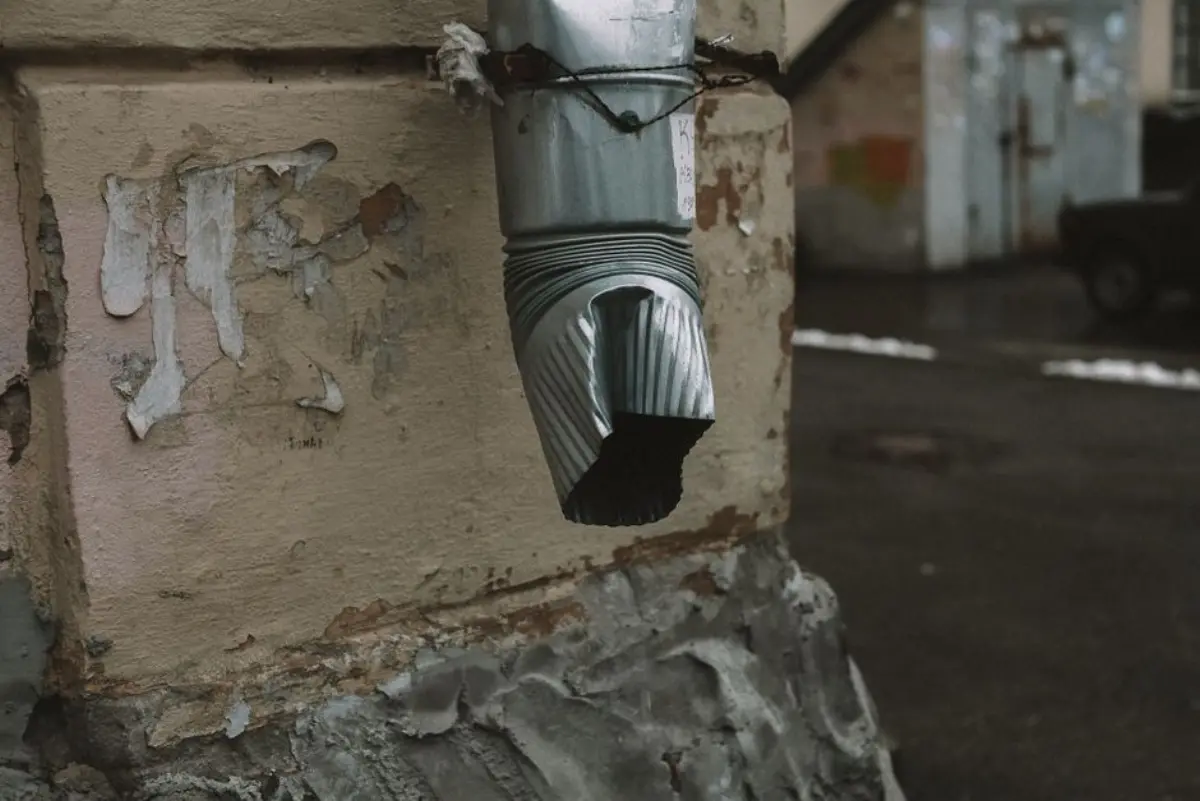
Gutter repairs
Leaking joints, loose brackets, cracked downpipes, a poor fall, blocked outlets.
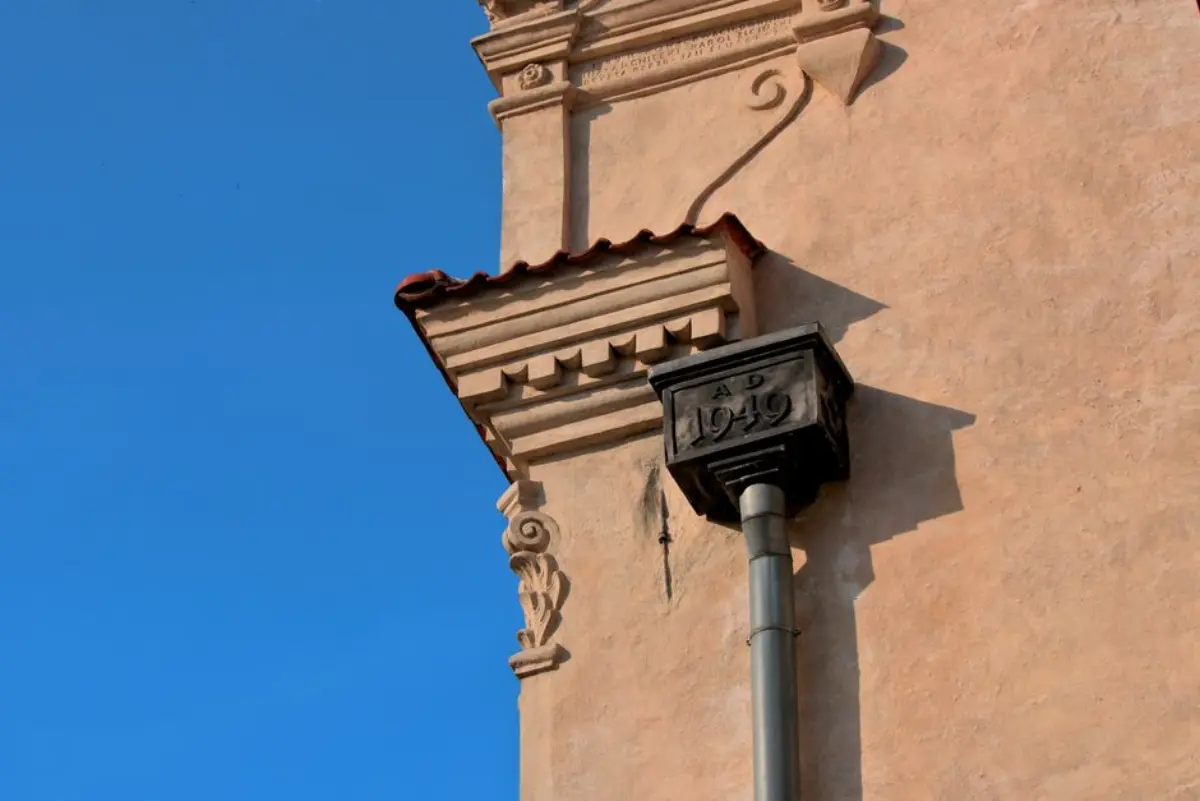
Custom sheet metal parts
Folded trims, drip edges, cover sheets, outlets and snow guards made to the measurements of the building.
How it works
You write what you need
A few sentences and the location are enough. If you know the lengths, the developed width or the material, write them down. If not, a photo will do.
We read the enquiry and pass it on
We pass it to a sheet metal firm that works in your area. If we have nobody there, we write to you straight away instead of leaving you waiting.
The firm gets in touch and measures
Measurements are taken on site, not from a desk. The quote should name the material and the developed width, not just a total.
What drives the price
A price list on a website would be useless, because in this trade the figure is built from things that can only be counted on site. These are the ones that move it most.
Length of gutter and number of downpipes
You pay by the metre and by the number of vertical runs. The developed width of the gutter, meaning how wide a strip of sheet it is folded from, moves the figure more than the length alone.
Material
Between plastic-coated steel and copper there is a substantial difference on the same house. What is already on the building matters too, because some metals must never meet.
Height and access
Whether the work can be done from a ladder, from scaffolding, from a platform or only on ropes is often a bigger item than the metal itself.
Shape of the building
Every corner, valley, dormer and penetration is hand work. A simple gable is one thing, a broken-up design with five dormers another.
Condition of the substrate
A rotten fascia board, a cracked parapet or a crumbling chimney neck has to be put right before anything is screwed into it.
Removal and disposal
The old system has to come down, be sorted and taken away. On larger jobs that is a line of its own.
Extras
Leaf guards, protective mesh, heating cables in the gutter, snow guards, flashing around skylights. Each piece is extra work.
Frequently asked questions
What counts as sheet metal work?
Everything on a building that is folded from sheet metal and carries or holds back water: gutters, outlets and downpipes, flashing for window sills, parapets, chimneys, valleys and penetrations, drip edges, verge and cover trims, flashing around skylights, and snow guards. A sheet metal worker makes and fits these parts. What lies above them belongs to a different trade, and on most jobs the two meet.
How much does sheet metal work cost?
We publish no price list, because it would only mislead you. On houses of the same length the figure moves with the developed width of the gutter, the number of downpipes, the material, how the height is reached, and the number of corners and valleys. A serious quote follows a site measurement and names the material and the developed width, not just one sum.
Can a gutter be repaired, or does the whole run have to go?
It depends on what is wrong. A loose or rotten bracket, a cracked joint, a blocked outlet, a torn downpipe bend or a sagging fall are usually fixed in place. When the metal is perforated by corrosion along its whole length, or the wrong material was chosen for the metals around it, a local repair only postpones the replacement.
Which gutter material should I choose?
On an ordinary family house titanium zinc will usually do. Copper lasts longest, but must not share a building with aluminium, titanium zinc or galvanised steel, not even with those sitting below it. Aluminium is light and does not go with copper. Plastic-coated steel solves colour. The details are in the table higher up this page.
Does chimney flashing have to be redone with every repair?
Not necessarily, but a chimney is where leaks start most often, because a vertical masonry structure meets a sloping surface there and the metal has to throw the water sideways. If anything else is being done around the chimney, it is cheaper and more sensible to assess the flashing at the same time than to come back for it separately.
Do I need a permit to replace gutters?
Replacing gutters in the same extent and design is usually maintenance work and under Czech building act 283/2021 Coll. needs no permit. It is different for a listed building or in a heritage zone, where an opinion must be obtained, and for changes to the appearance of an apartment building, where the owners' association decides. Check your own case with the building authority.
Describe the job
A few sentences and the location are enough. We read every enquiry and pass it to a sheet metal firm that works in your area. If we have nobody there, we tell you straight away.